


- July 22, 2026
- Posted By:Paul Fazzio
- Category:Surety Bonds
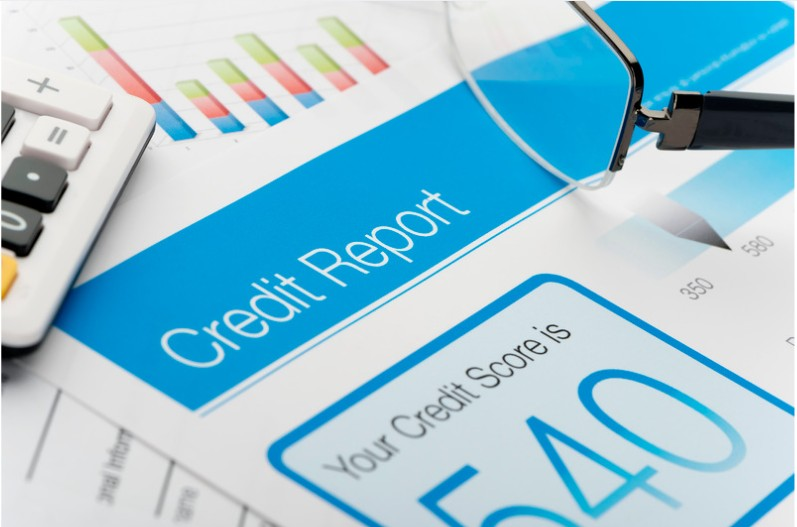
If you’ve started shopping for a surety bond and your credit isn’t perfect, you’ve probably hit something frustrating. Two people can be required to post the same bond, for the same amount, and pay completely different premiums. The only thing that changed was the credit report.
It feels unfair, especially when you’re calling about a California probate bond after being named executor or administrator, and the bond requirement caught you off guard. You didn’t ask for the role, and now your credit is going to cost you.
There’s an actual reason credit moves the price. The logic makes sense once you see how underwriting works. The surety isn’t punishing bad credit; it’s pricing the risk of issuing the bond.
Here’s the breakdown.
Key Takeaways
- Surety bonds aren’t insurance. The surety expects to be reimbursed if a claim is paid.
- Credit is how underwriters estimate the likelihood of getting reimbursed.
- Weaker credit signals higher reimbursement risk, which raises the premium.
- Collateral, co-indemnitors, and specialty programs can offset credit and bring pricing back down.
- For California probate bond applicants, credit-challenged files are routine and rarely a deal-breaker.
Bonds Aren’t Insurance, That’s Why Credit Counts
Most people assume a surety bond works like an insurance policy. You pay a premium, the company covers the loss, end of story. That’s not how surety works, and the difference is exactly why credit affects what you pay.
Three parties are involved in any surety bond:
- The principal (the person required to get the bond)
- The obligee (the court, agency, or entity requiring it)
- The surety (the company issuing the bond)
If the surety pays a valid claim, the principal generally has to pay the surety back. The bond protects the obligee, not you, and that reimbursement piece is the whole reason credit matters.
The surety isn’t pricing an expected loss; it’s pricing the risk of not getting reimbursed.
How Underwriters Actually Look at Credit
When an underwriter pulls your credit, they’re answering one business question: if we pay a claim on this bond, how likely are we to get our money back?
Strong credit signals a track record of meeting obligations. Weaker credit, late payments, high utilization, and recent bankruptcies signal that recovery could be harder, slower, or not possible at all.
The surety has three ways to respond to that:
- Charge a higher premium to offset the risk
- Ask for collateral or a co-indemnitor to back up the file
- Decline to write the bond and route it to a specialty market that handles harder credit
Most of the time it’s option one. The bond still gets issued, just at a different rate.
Why Premiums Climb When Credit Slips
Premiums are usually a small percentage of the bond amount. A California probate bond runs roughly 0.25% to 0.5% for qualified applicants. Higher-exposure bonds like appeal and contract bonds can land between 1% and 5%.
Those percentages are the starting point for clean credit. As credit weakens, the percentage moves up, for a few reasons:
- Higher loss frequency: Weaker credit correlates with more claims on certain bond types, and the premium reflects that.
- Harder recovery: If a claim happens, collecting from someone in financial distress takes more time and legal effort, and sometimes recovers less.
- Specialty market pricing: When standard sureties pass on a file, specialty markets pick it up. They accept higher risk but charge more for it.
The surety is putting a number on additional risk and the cost of recovering money down the road.
Other Contributors to Prince Increases
Credit has a large impact, but it isn’t the only factor. Underwriters look at the full picture, and a strong showing in other areas can soften the impact of weaker credit.
Things that also affect pricing:
- Bond type and exposure
- Bond amount
- Financial statements
- Experience and role assigned
- Collateral
- Co-indemnitors
A weak credit score doesn’t have to drive the price by itself. Underwriting is a sum of parts.
How to Bring the Premium Down
If your credit is the main reason your premium is high, there are a few practical paths to a better rate.
Use an Agent Who Works the File, Not the Form
The same applicant can get very different quotes depending on which surety sees the file and how it’s presented. For a California probate bond with credit issues, the right specialty program matters more than most applicants realize.
Offer Available Collateral
Cash, a letter of credit, or a real estate pledge can offset weaker credit and bring the premium closer to standard pricing. Collateral ties up an asset, but on larger bonds, it can be the difference between a workable rate and a painful one.
Add a Co-Indemnitor
A family member or business partner with stronger credit signing on can shift risk and lower the rate. It’s a real legal commitment, so handle the conversation carefully, but the option exists.
Provide Context
A medical event, divorce, or one-time financial setback can sometimes be weighed if it’s documented. A clean explanation backed by current financials gives the underwriter more to work with than the credit report alone.
How to Get Started
- Find the order or notice requiring the bond. The bond type and bond amount should be on it.
- Have a sense of your financial picture — credit, assets, income — but don’t worry about putting it in perfect order.
- Send the documentation over. An agent will review the file, walk you through what the underwriting is likely to look like, and tell you whether collateral or a co-indemnitor would help.
Bond requirements vary by court, agency, and situation, so the specifics of your case will shape the answer.
Speak with California Bond Specialists
H.M. Vreeland has provided California surety bonds since 1910. We work with attorneys, fiduciaries, and individuals every day, including plenty of files where credit was the sticking point.
For surety bond services, call H.M. Vreeland Surety Bonding at (415) 566-3401 or contact us online today.
Frequently Asked Questions
Why does my credit affect the bond premium when the bond protects someone else?
If the surety pays a claim, you generally have to pay the surety back. Credit is how the underwriter estimates the chance of getting reimbursed. Weaker credit means higher recovery risk, which raises the premium.
How much more will I pay with bad credit?
It depends on the bond type and how weak the credit is. A California probate bond that runs 0.25% to 0.5% for clean credit may run higher for credit-challenged applicants. Specialty programs handle most of these files at workable rates.
Will my premium go down if my credit improves?
Possibly, especially on multi-year bonds at renewal. If your credit improves significantly during the bond term, it’s worth asking your agent to re-shop the file at renewal.

President, H.M. Vreeland Surety Bonding; Principal / Owner
Paul Fazzio leads H.M. Vreeland Surety Bonding, a surety bonding company specializing in probate bonds, court bonds, fiduciary bonds, and related bonding services. Under his leadership, the firm works closely with attorneys, fiduciaries, and probate professionals across California and beyond to facilitate court-required bonds. He also operates Fazzio Fiduciary Accounting LLC, offering accounting, fiduciary oversight, and related services. His expertise spans legal, financial, and bonding domains, making him a key figure in bridging technical financial and legal requirements for clients and institutions.


