


- August 25, 2026
- Posted By:Paul Fazzio
- Category:Bonds
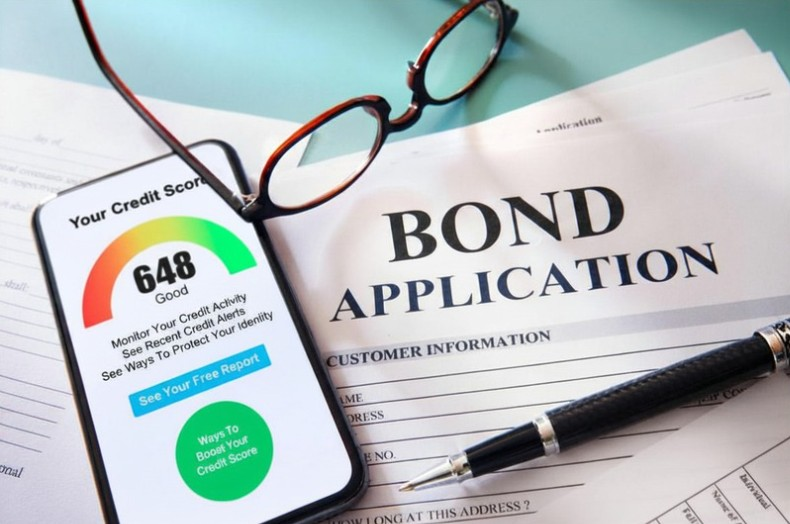
If you’ve been told you need a surety bond and your credit isn’t great, you’re probably running through a few worries at once. Will I get approved? How much more will it cost? Could the court change the bond amount because of my credit?
Credit comes up in almost every bond conversation, especially with people who got hit with an unexpected bond requirement. A court order. A license renewal. A probate appointment that came with a fiduciary bond attached and sent them searching for expert probate bond services on a tight timeline.
The good news is that credit doesn’t work the way most people assume. It doesn’t change the size of the bond you need, and it usually doesn’t block approval.
Here’s how credit actually fits into the surety bond process, which bonds it affects most, and what you can do to manage cost and approval.
Key Takeaways
- Credit does not change the bond amount, which is set by the court, agency, or other obligee.
- Credit does affect the premium, which is what you pay for the bond, set by the surety through underwriting.
- Higher-exposure bonds like appeal and contract bonds are more credit-sensitive than probate or vehicle bonds.
- Approval is rarely an outright “no” for credit-challenged applicants. Specialty programs, collateral, and co-indemnitors keep most files moving.
- Working with an experienced bond agency that knows the credit-flexible markets can meaningfully reduce both cost and friction.
Bond Amount vs. Premium: The Two Numbers People Mix Up
Before talking about credit, it helps to separate two terms that get used as if they mean the same thing.
The bond amount is the dollar figure printed on the face of the bond. It’s the maximum the surety can be required to pay if there’s a valid claim. If a court orders a $400,000 bond, that $400,000 is the bond amount.
The premium is what the principal actually pays to get the bond issued. It’s a percentage of the bond amount calculated through underwriting.
You don’t pay the bond amount. You pay the premium. The bond amount is the ceiling on potential claims, not a price tag for you.
Credit doesn’t affect the bond amount, but it can affect your premium.
Why Credit Matters in Surety Bond Underwriting
A surety bond isn’t insurance, and that distinction is the entire reason credit factors into pricing.
Insurance protects the policyholder. The insurance company expects some level of loss and prices premiums to absorb that loss across the pool of policyholders. Surety doesn’t work that way.
A surety bond protects the obligee, the party requiring the bond, like a court, the DMV, a licensing board, or a project owner. If a valid claim is paid by the surety, the principal is generally responsible for paying the surety back.
Three parties are involved:
- The principal, who is the bond applicant
- The obligee, who requires the bond
- The surety, who issues the bond
That reimbursement piece is what underwriting is built around.
The surety isn’t pricing an expected loss the way an insurance carrier would. It’s pricing the risk that, if something goes wrong and a claim has to be paid, the principal won’t be able to pay the money back.
Strong credit suggests a track record of meeting financial obligations, which makes the surety more comfortable taking on the risk. Weaker credit, like late payments, collections, judgments, high utilization, or recent bankruptcies, signals the opposite. Recovery may be harder, slower, or less complete if a claim ever happens.
What Credit Can and Cannot Affect
Once you understand what underwriting is doing, the role of credit gets clearer. Here’s what credit can and cannot change.
What credit does affect:
- The premium, in the form of a higher or lower percentage of the bond amount
- Whether collateral is required, and how much
- Whether a co-indemnitor needs to sign on
- Which surety market the file gets placed with
- How quickly the bond can be issued
What credit does not affect:
- The bond amount, which is set by the obligee
- Whether the bond is required at all
- The legal language of the bond
- The obligee’s expectations of the principal
That second list is the one most credit-challenged applicants find reassuring.
Whatever your credit looks like, the court isn’t going to demand a bigger bond because of it. The DMV isn’t going to add a surcharge to your bond amount. The agency isn’t going to change the rules.
Bond Types Ranked by Credit Sensitivity
Not every bond weighs credit the same way.
Some bond types have very predictable pricing where credit barely moves the needle. Others have wide pricing ranges that depend heavily on credit. Here’s a rough hierarchy:
Less credit-sensitive
Vehicle Bonds (DMV bonds)
Pricing is mostly driven by the vehicle’s value. Premiums often start in the $100 range for a typical passenger vehicle. Credit can shift the price somewhat, but the bond amount and vehicle value matter more.
License and Permit Bonds
Many of these are fixed-amount bonds with stable pricing. Many premiums fall under $100 a year for well-qualified applicants, with credit playing a smaller role than industry and bond category.
More credit-sensitive
Probate and Fiduciary Bonds
Premiums for fiduciary bonds typically run 0.25% to 0.5% of the bond amount for qualified applicants. Credit affects the rate within that range and can push it higher for credit-challenged applicants, but specialty programs handle these files routinely. Same-day approval is still common.
Civil Court Bonds
Injunction bonds, attachment bonds, receiver bonds, and similar civil bonds usually price between 1% and 5% of the bond amount. Credit and the nature of the case both influence where the rate lands.
Contract Bonds
Performance, payment, and bid bonds for contractors are priced between 1% and 3% for qualified applicants. Underwriting looks at credit alongside business financials, experience, and the project itself. For contractors with weaker credit, alternative bonding programs are usually available.
Appeal Bonds
This is where credit weight really shows up. Appeal bonds are typically issued at 150% of the judgment, with premiums between 1% and 5%. Collateral is often required regardless of credit, and credit-challenged files almost always need collateral support like cash, a letter of credit, real estate, securities, or other approved assets.
The pattern is straightforward. Lower-exposure, more standardized bonds care less about credit. Higher-exposure, more variable bonds care more.
How Credit Affects Approval, Not Just Price
Approval is a different question from price, and worth addressing directly.
For most required bonds, approval is rarely an outright denial based on credit alone. Specialty surety markets exist specifically for credit-challenged files.
A court-appointed fiduciary with bad credit doesn’t usually have the option of “not getting bonded” because the court requires it, and the surety industry has built programs to handle that circumstance. The same is true for license bonds tied to a job or trade.
Where approval gets harder is on higher-exposure bonds, where the surety has more to lose:
- Large appeal bonds without collateral
- Large contract bonds for contractors with weak financials
- Civil bonds tied to high-stakes litigation
Even in those cases, the answer is usually a structural one rather than a hard “no.” Collateral, a co-indemnitor, or a different surety market typically gets the bond issued.
How to Improve Your Chances and Lower the Cost
There are a handful of practical levers that can pull a credit-challenged file toward better pricing and smoother approval.
Work With the Right Agency
This matters more than most applicants realize. The same applicant with the same credit can get very different quotes depending on which surety sees the file and how it’s presented.
An agency that knows which markets are flexible on credit, and how to position a file for those markets, can move the needle.
For probate applicants in particular, expert probate bond services that have established relationships with credit-flexible sureties can make a noticeable difference in both cost and turnaround.
Offer Available Collateral
Cash, a letter of credit, real estate, or securities can offset weaker credit and bring the premium closer to standard pricing.
Collateral ties up an asset for the bond term, but on larger or higher-exposure bonds, it can be the difference between a workable rate and a painful one.
Add a Co-Indemnitor
A family member or business partner with stronger credit and assets willing to sign on can shift risk and lower the rate. Co-indemnification is a real legal commitment, so it’s a conversation to have carefully, but it’s a tool that exists.
Provide Context and Documentation
Underwriters can sometimes weigh context if it’s documented.
A medical event, divorce, or one-time financial setback, explained with current financials, gives the underwriter more to work with than the credit report alone. Tax returns, bank statements, and a clear personal financial statement help.
Improve Credit When You Can
This isn’t always realistic before a court deadline, but for renewable bonds, credit improvement during the bond term can lead to lower premiums at renewal.
If your credit has improved meaningfully since the bond was issued, ask the agent to re-shop the file.
Don’t Shop the File in Too Many Places
Multiple credit pulls from multiple agencies can ding the score and signal desperation to underwriters. Pick one experienced agency and let them place the file in the right market the first time.
Credit Scores for Probate and Fiduciary Bonds
Credit-challenged probate applicants are the single most common credit conversation in California bonding.
The court has named someone as executor, administrator, conservator, guardian, or trustee, and now the bond requirement is on the table. The applicant didn’t ask for the role, didn’t ask for the bond, and now feels exposed because of credit.
Here’s the reality. Courts don’t look at your credit when deciding if you can serve as a fiduciary. The court appointed you because you’re the right person for the role, not because of your credit profile. Surety markets understand that.
Specialty programs are built for fiduciaries with credit issues, and most of these files get issued, often on the same day. The premium may run higher than the standard 0.25% to 0.5% range, but the bond will find a way to be approved.
This is also the area where expert probate bond services pay for themselves quickly. An agency that handles probate routinely will know which markets to approach, how to package the file, and how to set realistic expectations from the first call.
Talk to a California Bond Specialist
H.M. Vreeland has been writing California surety bonds since 1910. We work with attorneys, fiduciaries, business owners, and individuals daily, and credit is one of the most common topics on those calls.
We’ll review what the obligee is requiring, give you an honest answer on what the premium and underwriting looks like, and get the bond issued.
For expert surety bonds services, call H.M. Vreeland Surety Bonding at (415) 566-3401 or contact us online today.
Frequently Asked Questions
Will bad credit stop me from getting a surety bond?
Usually no, there are specialty programs that handle credit-challenged files across most bond types, including probate, fiduciary, contract, civil court, and appeal bonds. Approval is rarely an outright “no” based on credit alone.
How much more will I pay with bad credit?
It depends on the bond type. Probate and fiduciary bonds tend to stay in a manageable range even with weaker credit. Appeal and contract bonds have wider ranges and can run noticeably higher with credit issues, often with collateral involved.
Will a credit check hurt my score?
Most surety credit pulls for quoting are soft inquiries that don’t affect your score. If a hard pull is needed at any point, your agent should tell you in advance.
Can collateral take the place of good credit?
For most higher-exposure bonds, yes. Cash, letters of credit, real estate, or securities can offset weaker credit and bring premiums closer to standard pricing. The right type and amount depends on the bond.

President, H.M. Vreeland Surety Bonding; Principal / Owner
Paul Fazzio leads H.M. Vreeland Surety Bonding, a surety bonding company specializing in probate bonds, court bonds, fiduciary bonds, and related bonding services. Under his leadership, the firm works closely with attorneys, fiduciaries, and probate professionals across California and beyond to facilitate court-required bonds. He also operates Fazzio Fiduciary Accounting LLC, offering accounting, fiduciary oversight, and related services. His expertise spans legal, financial, and bonding domains, making him a key figure in bridging technical financial and legal requirements for clients and institutions.


